08 · Public Bathhouse
Korean Jjimjilbang
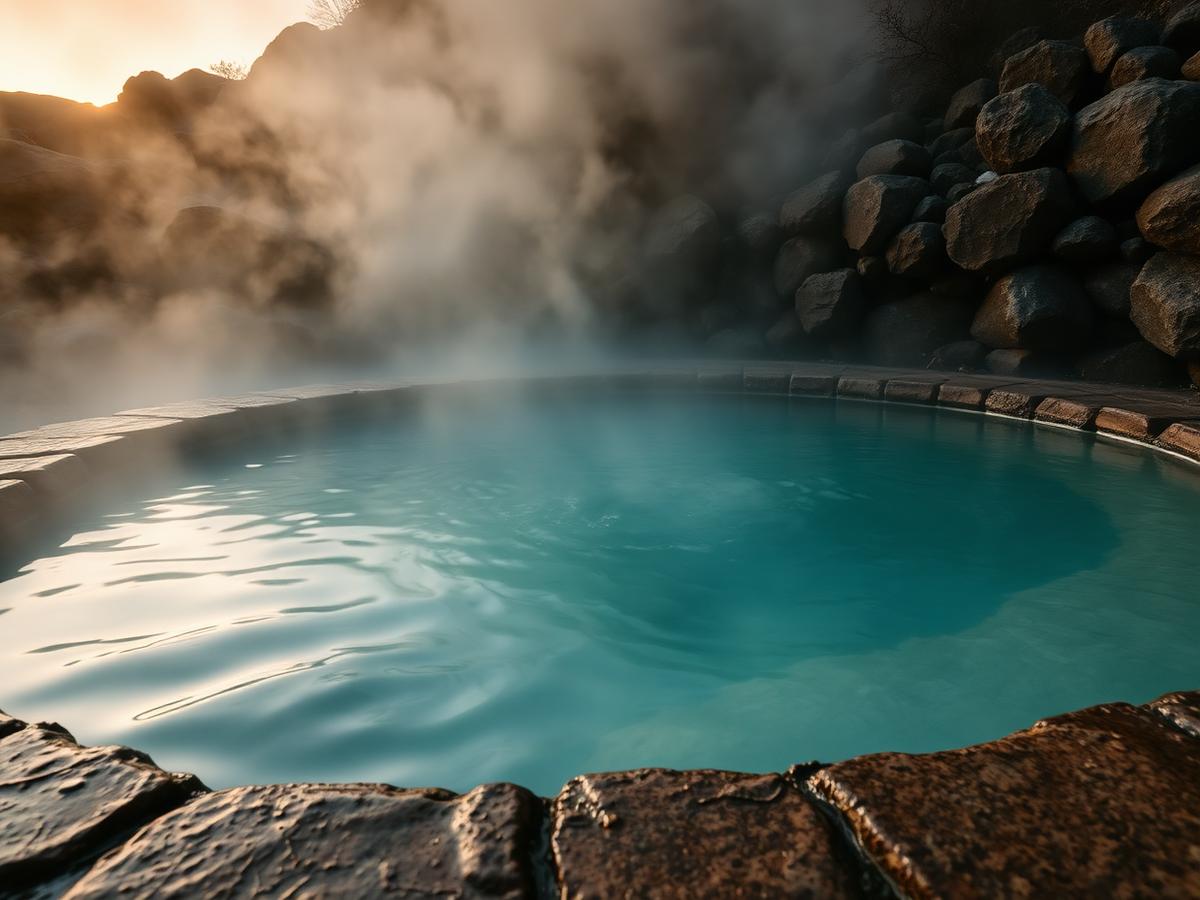
A multi-room thermal complex with jade, salt, charcoal and ochre saunas, each tuned to a different therapeutic frequency. Often a 24-hour communal social space.
Origin & Tradition
The contemporary jjimjilbang emerged in 1990s Korea, modernising the older mogyoktang public-bath tradition into a 24-hour wellness complex.
Documented Benefits
01
Multi-mineral sauna exposure (jade, salt, charcoal)
02
Affordable, communal wellness
03
Improved sleep quality after evening visits
The Protocol
- 01Begin with the segregated wet bathing area
- 02Move through 4–6 themed dry saunas in sequence
- 03Rest in the unisex common room with sikhye rice drink
Contraindications
- Cardiovascular instability
- Pregnancy
- Open wounds
Frequently Asked
Do I need to speak Korean?+
No — the larger Seoul and Busan jjimjilbang now post English signage; entry fees are standardised.
Is it family-friendly?+
Yes — the common rooms are family spaces; bathing areas remain gender-segregated and nude.