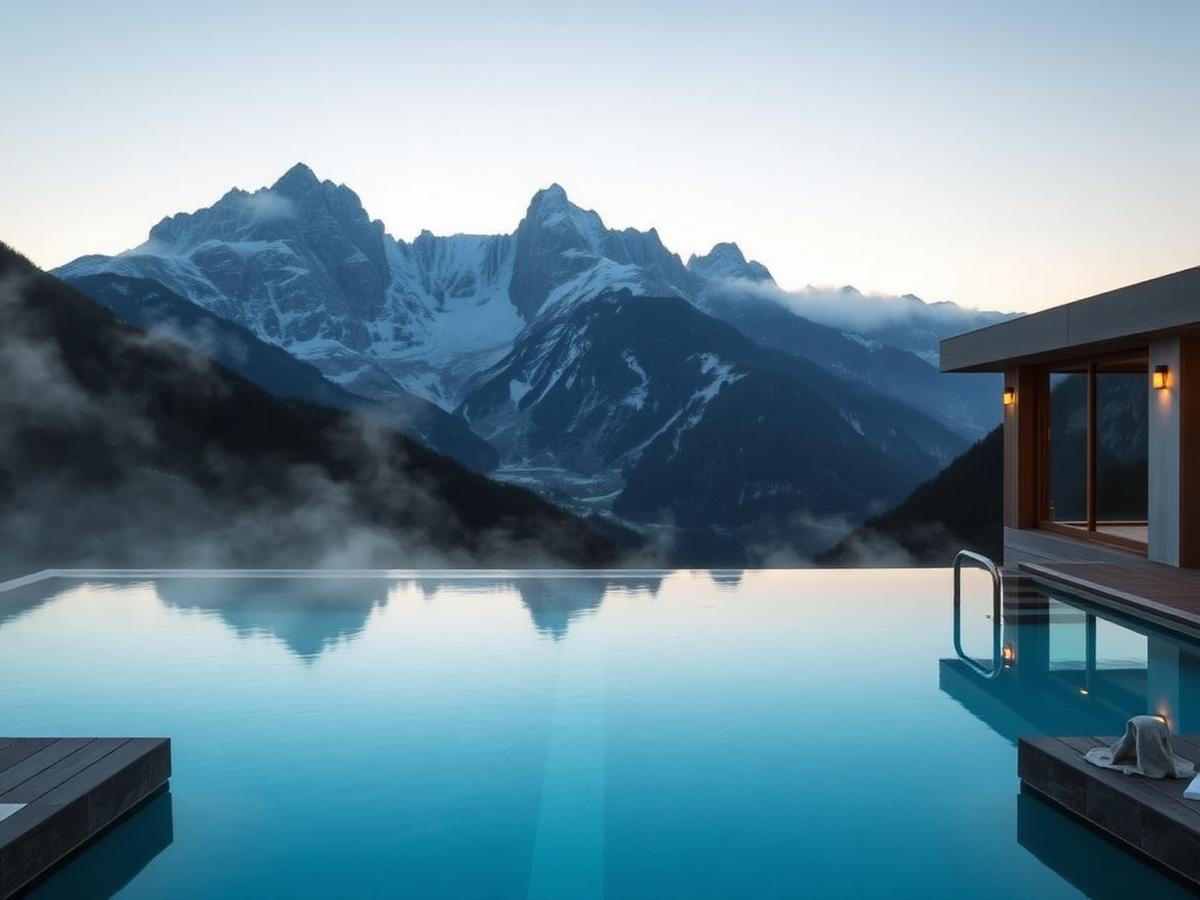
Kyoto & Hakone Onsen
Centuries-old wooden bathhouses fed by volcanic springs, framed by maple forests and cedar groves.
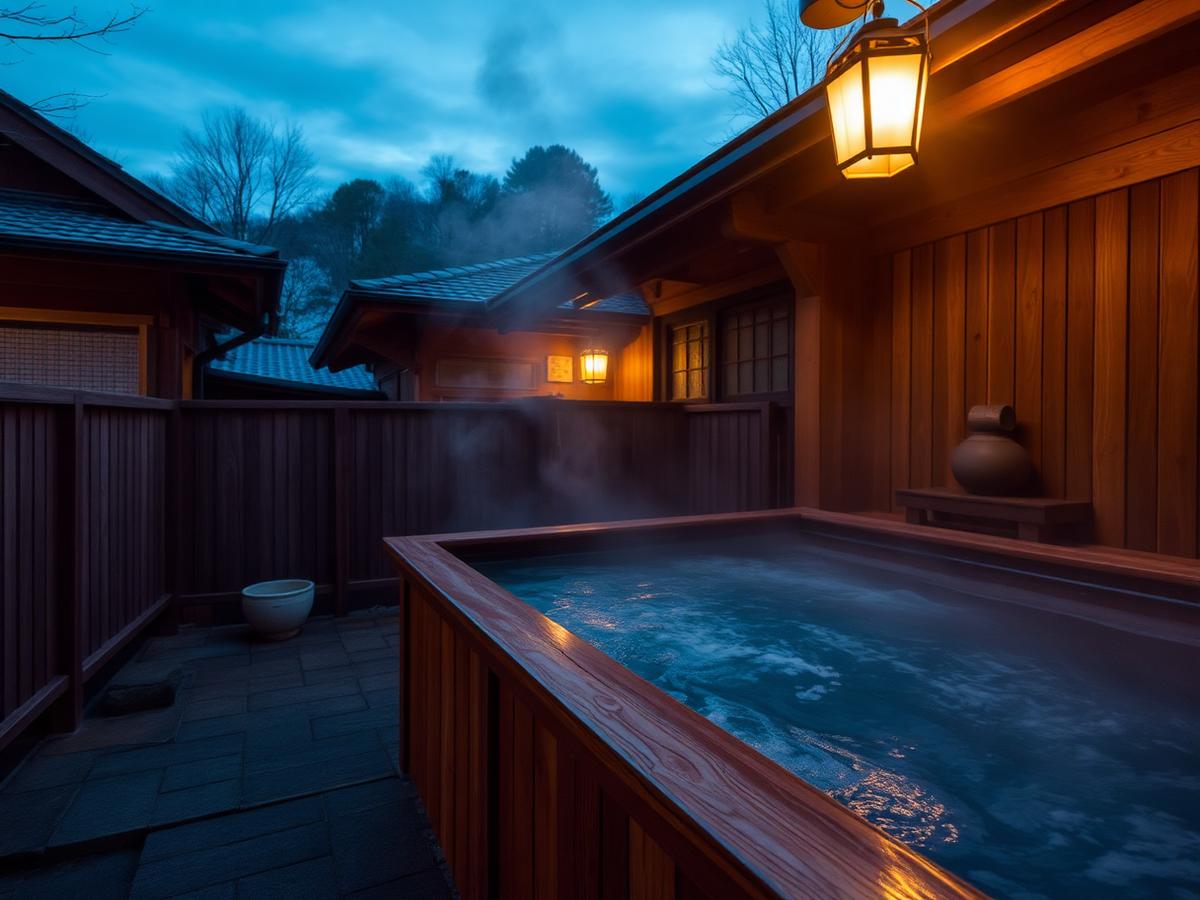
About Kyoto & Hakone Onsen
Few wellness landscapes have shaped Japanese identity as quietly as the onsen towns of Kyoto and the Hakone caldera. The water — sulfur, sodium-bicarbonate, or alkaline — emerges from a Pacific subduction zone that has been heating these valleys for thousands of years.
The architectural language is unmistakable: weathered cypress, gravel courtyards, paper screens. Each ryokan is built around a single ritual — bathe, eat kaiseki, sleep on tatami, repeat — designed to slow the nervous system through repetition.
Signature Rituals
Rotenburo open-air bathing at dawn while mist still clings to the maples.
Shinrin-yoku (forest bathing) protocols through the cedar groves of Arashiyama.
Kaiseki — a seasonal twelve-course meal calibrated to local micro-climate.
Frequently Asked
Do I need a reservation for an onsen?+
Public onsen accept walk-ins; high-end ryokan with private baths should be booked 6–9 months ahead, especially during koyo season.
Are tattoos still an issue?+
Most modern ryokan now welcome guests with tattoos or offer private baths; smaller traditional sento may still refuse entry.
Reader Photo Wall
Upload a photo from Kyoto & Hakone Onsen — it appears instantly, no account required.
Loading photos…
Reader Notes
Share your experience of Kyoto & Hakone Onsen. No account required.
Loading notes…